The Future is Local
andrew @ anti/corporate
June 23, 2026
626 words · 3 minutes
The future of business isn’t bigger… It’s closer.
For over 100 years, businesses have been getting bigger. Railroads, oil, and steel fueled national manufacturing. Chains, franchises, and malls grew with the rise of mass media, and private equity and the internet drove the emergence of a world of ruthlessly efficient, powerful, and mostly interchangeable businesses.
Along the way, people started thinking local business was secondary, a niche, or dying.
It’s not. Local is the economy and the future of business.
Small businesses create jobs, build communities, sponsor teams, and make cities vibrant and unique.
Local can win not because they can out-scale, outspend, and out-same corporate America, but because they don’t have to.
1. Small businesses are already driving the economy
Big companies, stock market movers, national brands, and technology like AI and social media get the headlines. But most people experience the world locally.
In our research, 2/3rds of people shop at local businesses at least once a week, over 90% at least monthly. Almost all of them expect to maintain or increase their local shopping over the next year. ¹
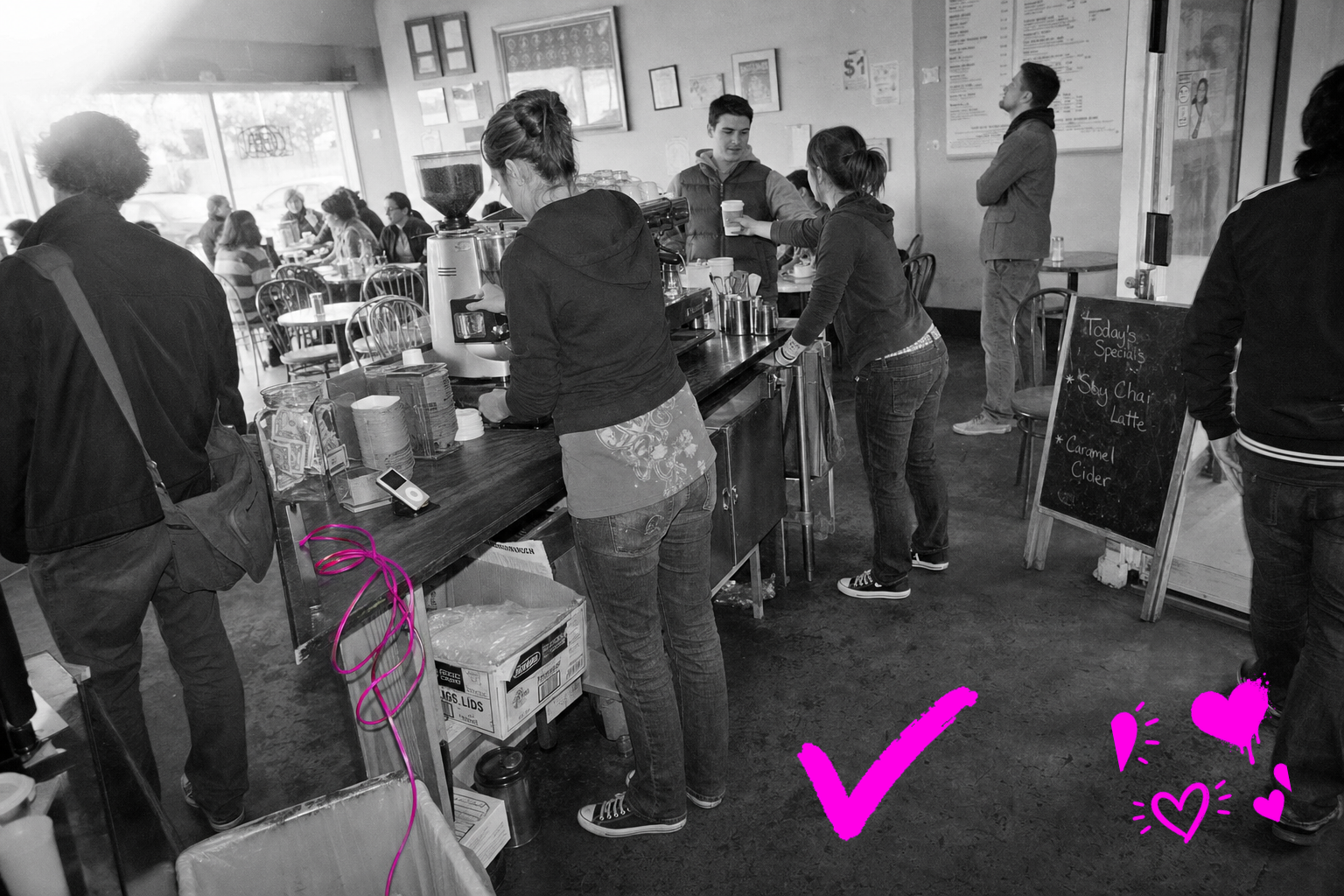
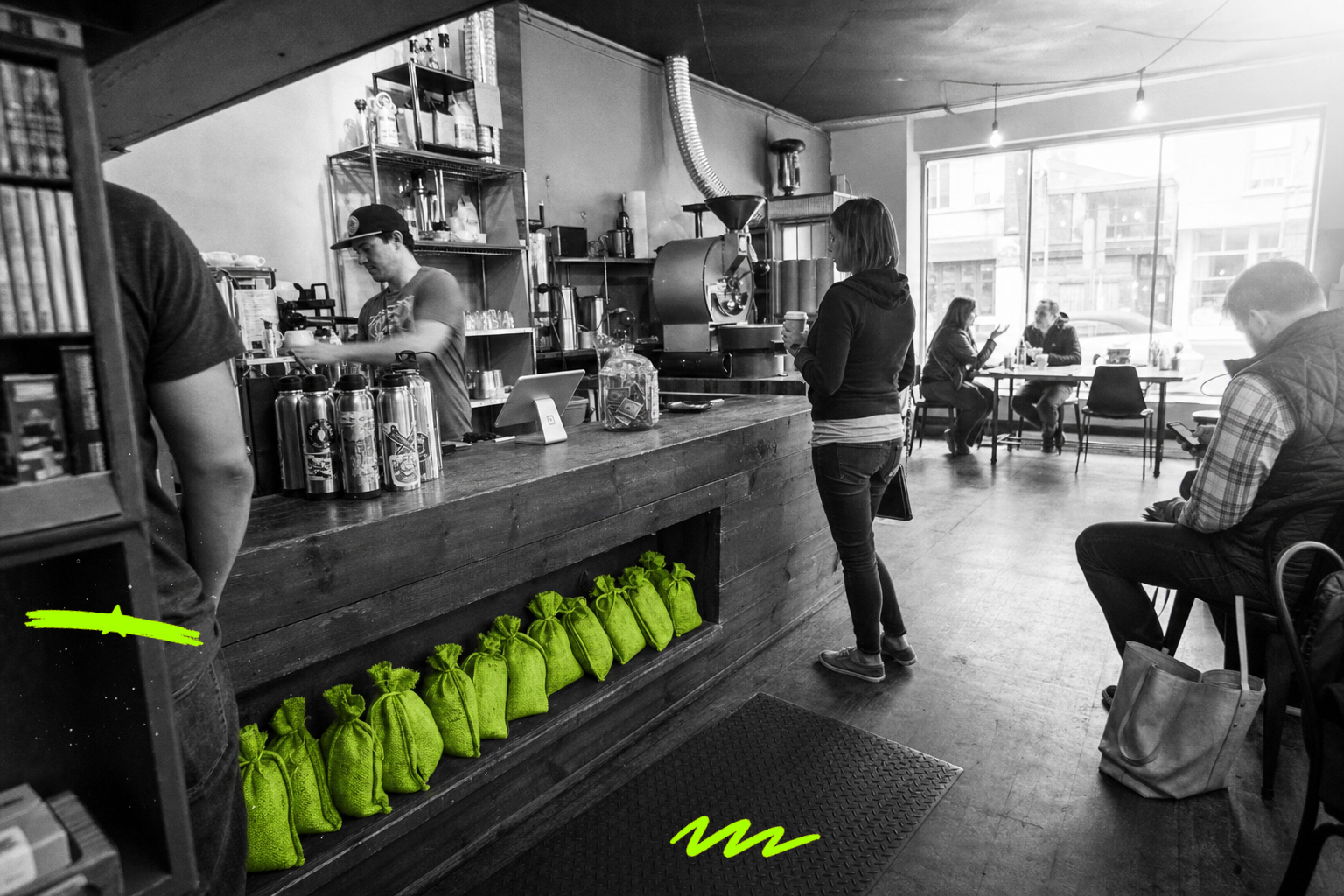
These are the roughly 3/4ths of U.S. businesses that are local. ² The coffee shop on the corner. The climbing gym across town. The attorney they trust. The co-op where they run into neighbors. The restaurant they recommend to friends. The contractor who calls back. The store that remembers their name.
Local business is the engine of the economy.
2. Experience is the moat
Corporate America has spent years optimizing for efficiency. That has made many of them faster, smoother, and more predictable. It has also made many of them boring.
In our research, 80% of people agree that local businesses provide a more personal experience, and 40% choose local specifically for that experience. ¹
The local opportunity is different. Local businesses can create experiences that are specific, textured, human, and memorable. They can bring color back to a world flattened by templates, chains, and sameness.
A local business brings the owner’s creativity, the community’s influence, and the authenticity that big business spends millions trying, and failing to replicate.
3. AI can help local businesses compete, but only if they stay human
The time is now for local businesses. AI is changing the game.
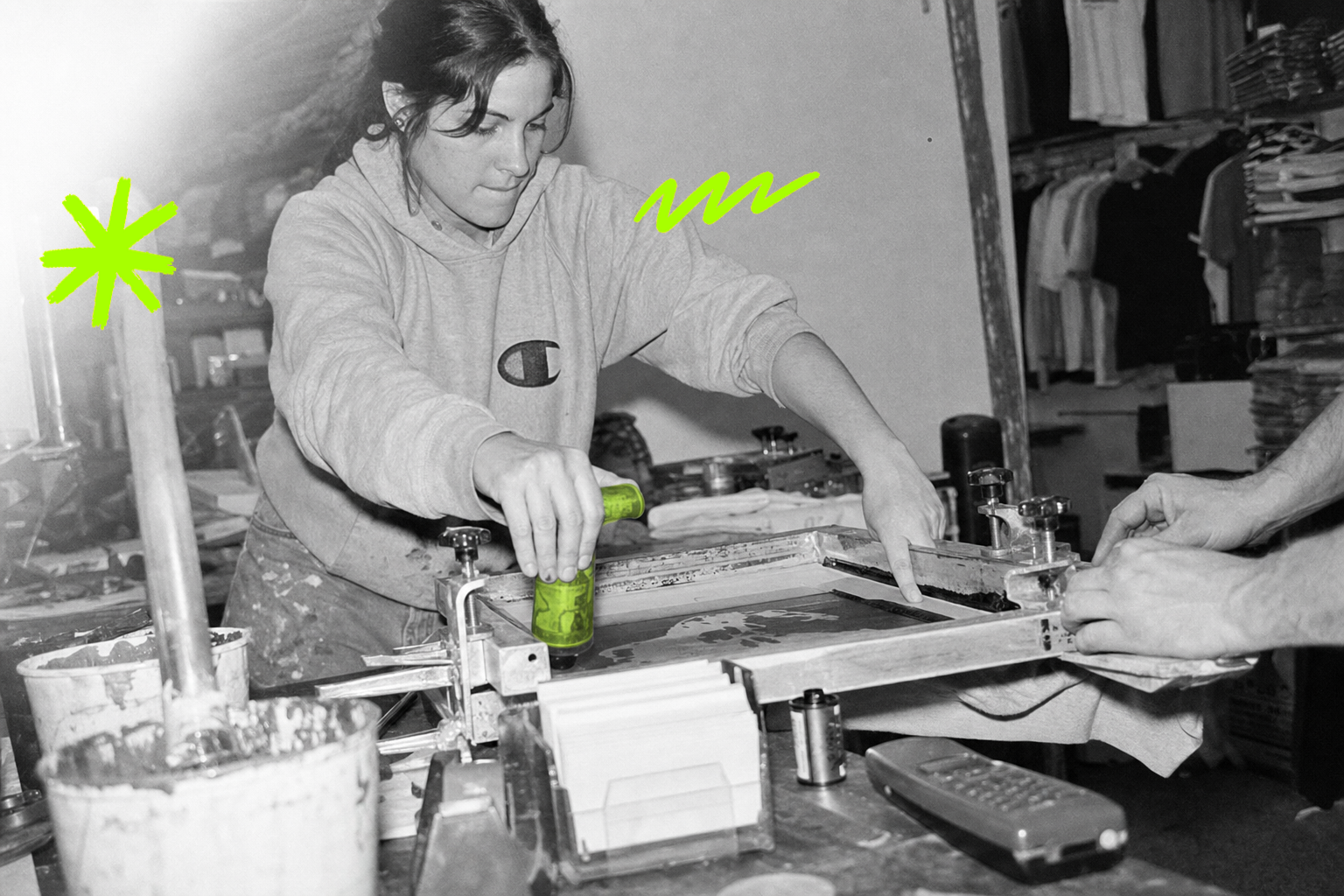
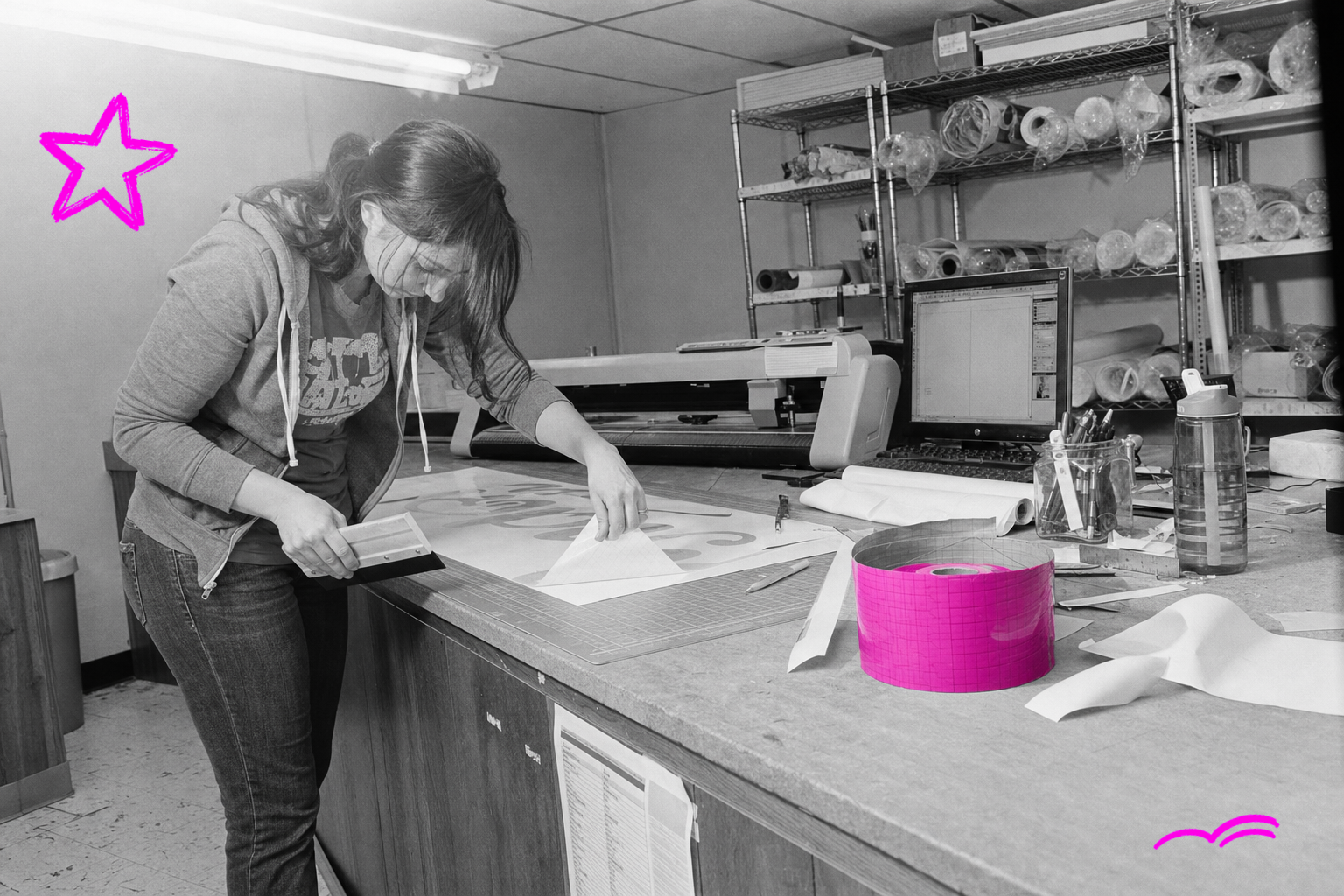
Local business owners who are experts in their craft, whether in coffee, design, baking, or anything else, used to have to also be skilled in branding, marketing, finances, and more. Now, AI tools can fill those gaps.
Local business owners do not usually lack effort. They lack time, clarity, confidence, and support.
But there is a risk.
AI is trained on what already exists. It is very good at producing the average version of a thing: the average website headline, the average social post, the average marketing plan, the average customer email, the average business advice.
And average is exactly what local businesses need to avoid. Don’t let AI turn your business into a polished, forgettable little corporate store.
The anti/corporate point of view
anti/corporate exists because local businesses deserve tools built for how they actually work. It is built by local business founders and experts, and it focuses on truly local businesses, not “small” businesses or cookie-cutter corporate businesses pretending to be local.
The future is local because local businesses are already essential.
The future is local because experience is becoming more valuable, not less.
The future is local because AI gives small businesses access to tools that once belonged only to larger companies.
The future is local, but it won’t be easy. Local businesses need community, tools, and allies to win.
That is why we are building anti/corporate.
Sources:
¹ anti/corporate pro local survey 2025; online survey, n=1,100 U.S. adults
² Small businesses represent 99.9% of all U.S. businesses (SBA Office of Advocacy, 2025 Small Business Profile). Approximately 3 out of 4 employer business locations are single-location establishments (U.S. Census Bureau, Statistics of U.S. Businesses).